


Golf in Eastern Ontario gives you a short season and an early deadline. By the time the first tee opens in April, most members have already renewed or moved on, tournament organizers have picked their course and couples have booked their wedding venue. A lot of your year gets decided while the course is under snow.
We're golfers ourselves, so we spend plenty of time on courses around the region. The ones that stay busy aren't always the ones with the best layout. They're the ones golfers can picture clearly when it's time to choose.
In January, your website is your clubhouse
Nobody drives out to look at a frozen fairway. Over the winter, your website is the only version of your club most people will see, so it needs to answer the obvious questions quickly on a phone. What does a membership cost and what's included? How do I book a tee time? Can you host our tournament or our wedding, and who do I talk to? If any of those take more than a tap or two to find, people move on to the next course. A slow site makes that worse, and our guide to website speed covers what to check.
Let golfers play the course before they arrive
The question most club websites answer poorly is the simplest one: what's the course actually like? A scorecard and a handful of old photos don't sell much.
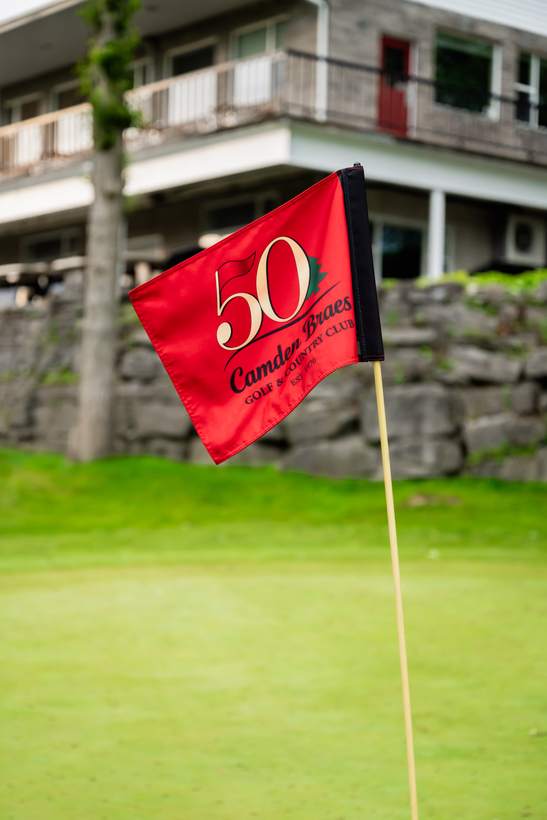
This past season we worked with Camden Braes Golf & Country Club in Odessa on their 50th anniversary year. Along with a new website and drone and brand photography, we made flyovers for all 18 holes. Each one follows the hole from tee to green with its details on screen, so golfers can get to know it before they play. You can see them on the Camden Braes hole-by-hole page.
Flyovers end up doing a lot of jobs. They help new golfers pick your course, help regulars plan their round, give you months of social content and make your tournament pitch much easier.
Treat the off-season as your sales season
From November to March, the work is selling. Gift cards, lesson packages and merchandise make sense before the holidays. January is a good time to open renewals with an early-bird deadline and reach out to last year's tournament organizers. February and March are for new memberships, league sign-ups and opening-day news, along with photos of course prep and clubhouse updates so people can feel the season coming. By April, booking should be dead simple.
Email does a lot of the heavy lifting through all of this. Your past members, league players and event contacts already know you, and a well-timed note costs very little to send. Our email marketing page covers how we handle it.
Keep your Google profile in season shape
When someone searches "golf course near me," your Google Business Profile shows up before your website does. Keep your seasonal hours and opening date current, link straight to booking, add fresh photos each spring and reply to reviews. It's small stuff, but it's often the first impression. Our Google Business Profile guide has the details.
Tell the story only your club has
Every course has something worth sharing: the year it opened, the designer, a signature hole, the family that's run it for decades or a view nobody else has. Those details are what make someone choose you over a course that looks the same in a list. If you have an anniversary coming up, start planning a year ahead. A 50th or 100th season deserves more than one post on opening day.
And don't forget the people who don't golf at all. Weddings, banquets, celebrations of life and corporate events can be a big part of a club's year, and the people booking them want photos of the room, capacity, menus and an easy way to ask about dates. Most of those bookings happen in the off-season too.
We help courses across Eastern Ontario with websites, drone and brand photography, hole flyovers, social media and email. If you'd like to talk about next season, see how we work with golf courses or book a free discovery call.
← Back to all articles